Lasts or Last: What’s the Difference and Which One Should You Use?
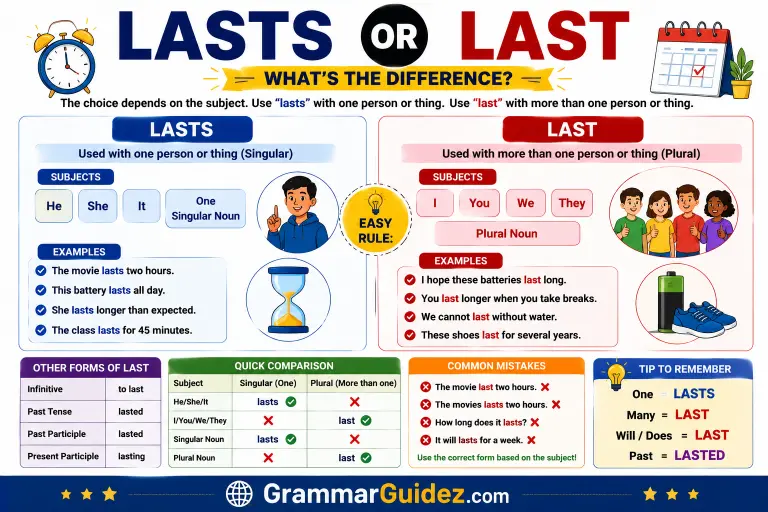
“Last” and “lasts” are both correct words, but they are used in different grammatical forms. “Last” can be a verb ...
Read more
Come or Cum: What Is the Difference and Which One Should You Use?
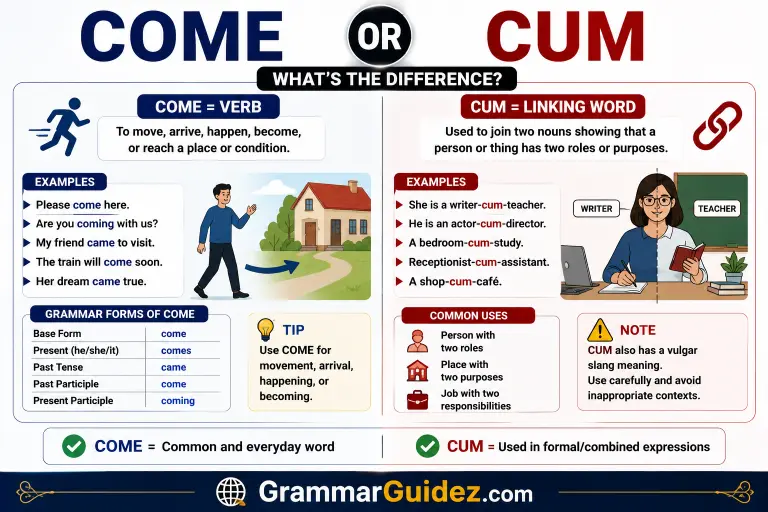
“Come” and “cum” are both used in English, but they have different meanings and contexts. “Come” is a common verb ...
Read more
Encyclopedia or Encyclopaedia: Which Spelling Should You Use?
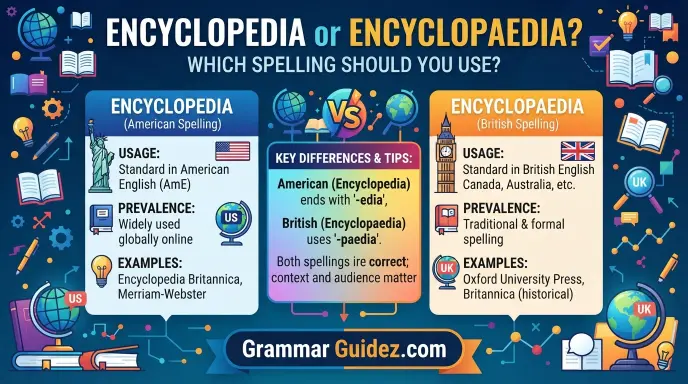
“Encyclopedia” and “encyclopaedia” are both correct spellings, but their usage depends on the variety of English. “Encyclopedia” is the standard ...
Read more
Alligators or Crocodiles: What’s the Difference?
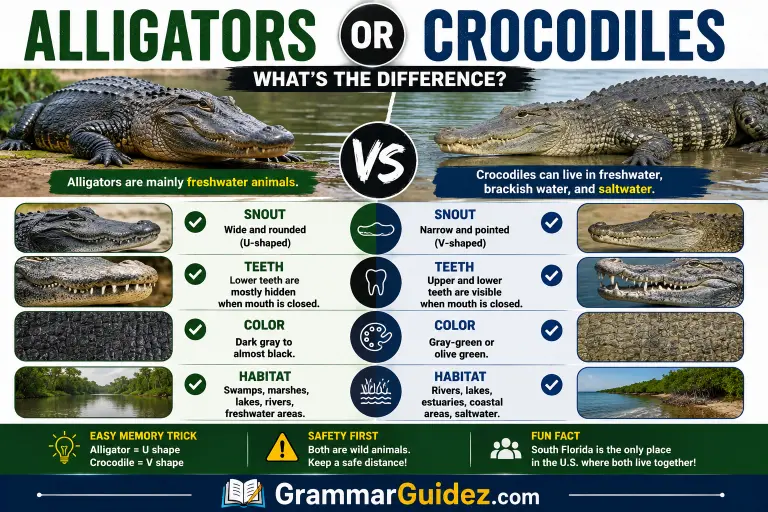
“Alligators” and “crocodiles” are both correct words, but they refer to different types of reptiles. “Alligators” are generally wider-snouted reptiles ...
Read more
Arc or Arch: What’s the Difference?
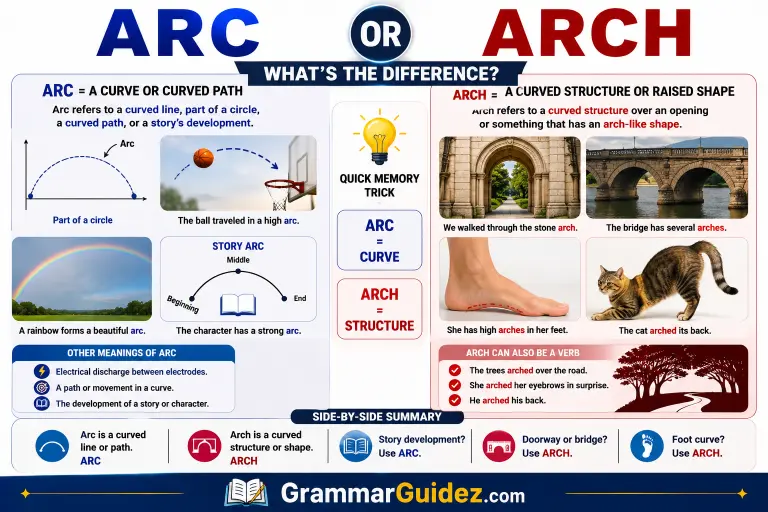
“Arc” and “arch” are both correct words, but they have different meanings. “Arc” is a curved line or part of ...
Read more
Manicure or Pedicure: What’s the Difference?
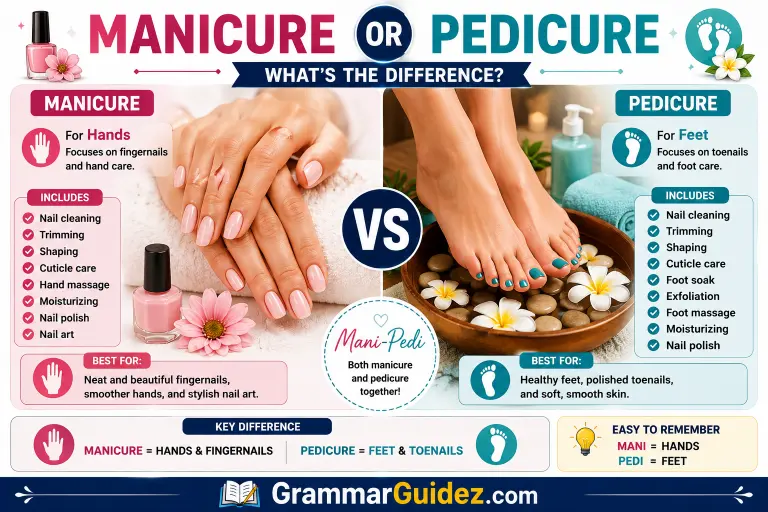
“Manicure” and “pedicure” are both correct words, but they refer to different beauty treatments. “Manicure” is a treatment for the ...
Read more
Apposed or Opposed: What’s the Difference?
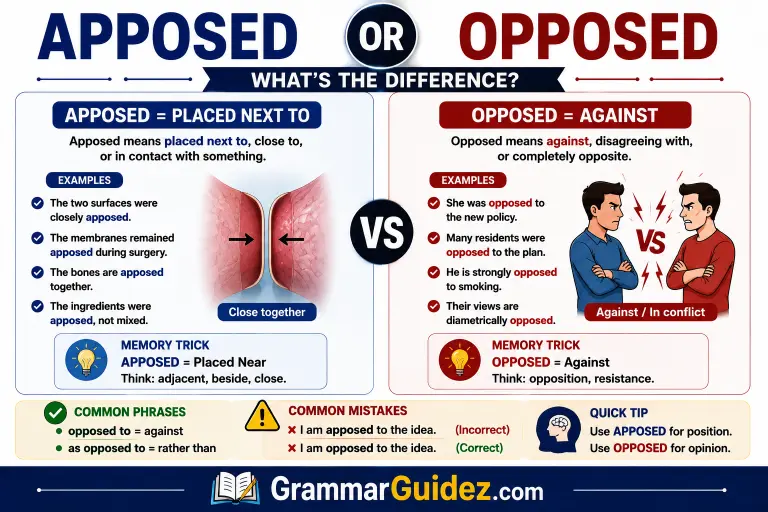
“Apposed” and “opposed” are both correct words, but they have very different meanings. “Apposed” means placed next to or brought ...
Read more
As or Like: What’s the Difference and When Should You Use Each?
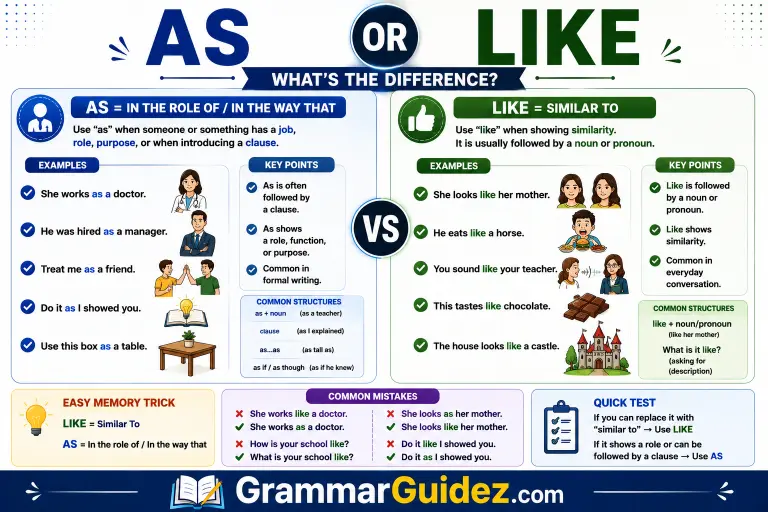
“As” and “like” are both correct words, but they are used differently. “As” is commonly used as a conjunction meaning ...
Read more
Non or None: What’s the Difference and How Do You Use Them?
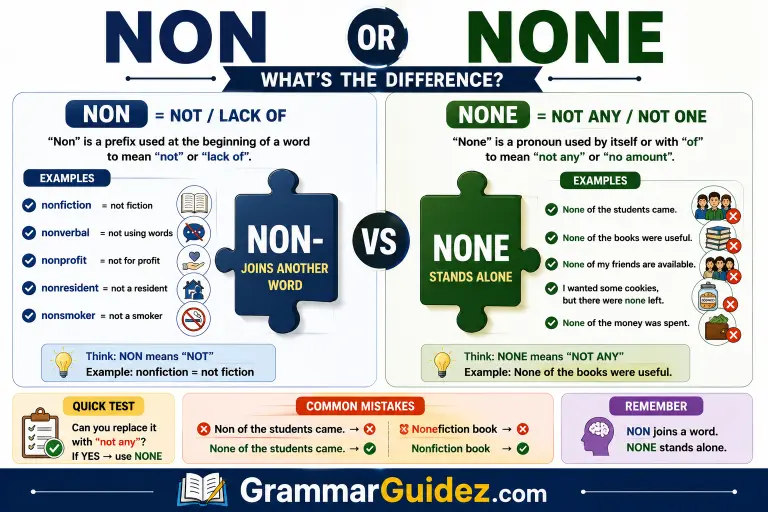
“Non” and “none” are both correct words, but they have different meanings. “Non” is a prefix meaning not or without, ...
Read more
Erk or Irk: What’s the Difference?
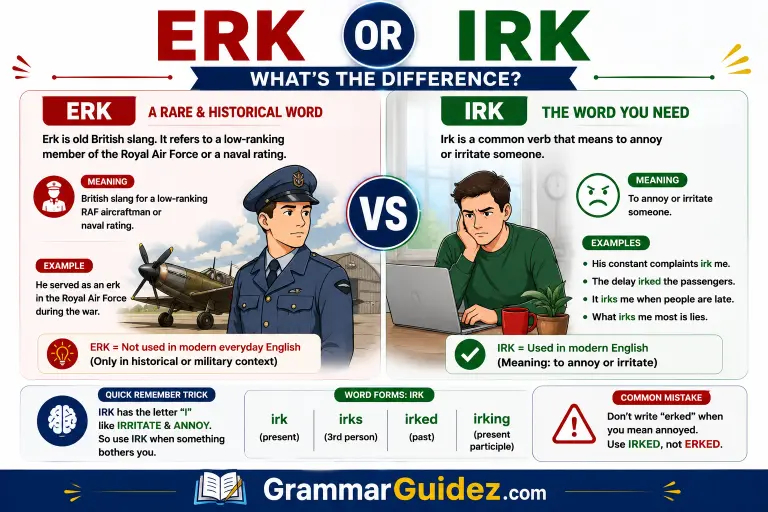
“Irk” is the correct spelling, while “erk” is generally a misspelling when you mean to annoy or irritate someone. “Irk” ...
Read more